






Narrow stairs and access Leyton removals solutions
Posted on 10/06/2026
![A high-performance racing catamaran with a tall, black sail displaying the words 'LEYLTON' and 'LIVING INNOVATION' in bold letters, gliding across a calm body of water during daytime. The sail features a blue and orange design, and the boat's hulls are labelled with 'LEYTON' and the number '17'. The vessel is positioned near the shoreline, where a backdrop of densely wooded hills and residential buildings is visible. The yacht appears to be part of a sailing event or exhibition, with crew members managing the boat's operations. The environment is bright and clear, with minimal waves, suggesting good weather conditions for sailing. The scene also subtly reflects the logistics involved in transporting such specialized vessels, relevant to house removals or relocation services provided by [COMPANY_NAME].](/pub/blogphoto/narrow-stairs-and-access-leyton-removals-solutions1.jpg)
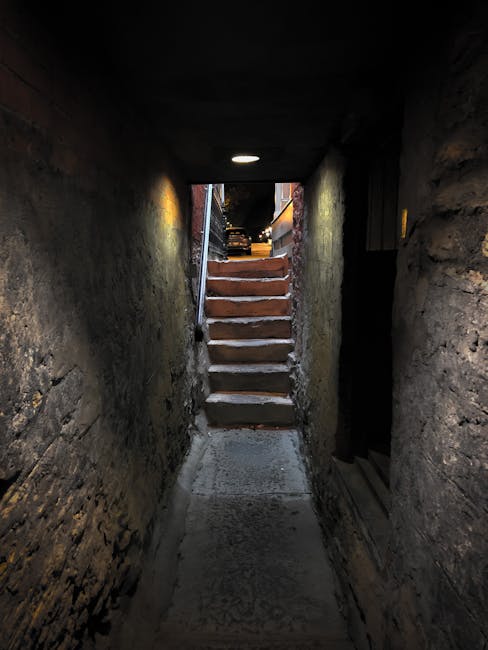
If you are moving in Leyton and facing a tight staircase, a steep landing, or a doorway that seems just a bit too narrow, you are not alone. Narrow stairs and access Leyton removals solutions are designed for the sort of real-world challenges that come with Victorian terraces, compact flats, upper-floor conversions, and busy streets where every inch matters. The move itself might be simple on paper, but once you are carrying a wardrobe around a twisty stairwell at 8:00 on a damp London morning, the plan needs to be a lot smarter.
This guide walks you through what these access solutions actually involve, why they matter, how the process works, and what to do before the first box leaves the hallway. You will also find practical checklists, comparison advice, and a realistic example from a Leyton-style home move. Let's face it, tight access can turn a straightforward relocation into a bit of a puzzle. The good news? It is a solvable one.
- Why narrow access matters in Leyton moves
- How access-led removals are planned and handled
- Benefits of the right removal approach
- Who this service is for
- Step-by-step moving guidance
- Expert tips for smoother access
- Common mistakes to avoid
- Useful tools, resources, and recommendations
- Safety, compliance, and best practice
- Options and methods compared
- A real-world style example
- Practical checklist
- Frequently asked questions
Why Narrow stairs and access Leyton removals solutions Matters
Narrow access is not just an inconvenience. It affects how safely, quickly, and cleanly a move can be carried out. In Leyton, many homes and flats have staircases that turn sharply, landings that are only just wide enough for furniture, or entrances where a standard sofa will not glide through in one piece. That changes everything.
Without a proper access plan, the usual risks start stacking up: scratched walls, damaged bannisters, pinched fingers, strained backs, and that awkward moment when everyone realises the item will not make the turn. Not ideal. And in a shared building, the impact can extend beyond your own property if the hall is blocked or neighbours are disturbed.
Good access planning matters because it protects three things at once:
- Your belongings - furniture, appliances, and boxes are less likely to be damaged.
- Your property - walls, floors, doors, and stair rails stay in better condition.
- Your schedule - less faffing about, fewer delays, fewer surprise decisions on the day.
That is why access-aware removals are especially useful in areas with period buildings and compact layouts. If you are moving from a flat, you may also find it useful to look at flat removals in Leyton and the broader removals Leyton service information. For a wider view of available moving support, the services overview is a sensible place to start.
How Narrow stairs and access Leyton removals solutions Works
In practice, these solutions start before moving day. A good removal plan begins with a quick but honest look at the access points: stairs, landings, lift availability, front doors, internal door widths, parking position, and whether large items need to be dismantled. It sounds basic, but that early look can save a lot of stress later.
Here is the usual flow:
- Access check - the mover assesses the route from property to van, including stairs, corners, and outside space.
- Item review - large or awkward objects are identified: beds, wardrobes, sofas, fridges, desks, pianos, and oversized boxes.
- Protection planning - blankets, straps, covers, and floor protection are prepared where needed.
- Disassembly decisions - some furniture may need to come apart before it can safely travel.
- Load sequencing - the team decides what to carry first so the stair route stays clear and efficient.
- Controlled moving - items are moved slowly, with clear communication at turns and landings.
A detail people sometimes miss: narrow stairs are not just about width. Height, ceiling slope, railing position, and even the grip on the stair edge can make a big difference. A delivery route that looks fine at the front door can still become awkward at the second floor landing. You only need one tight corner and a slightly overconfident wardrobe to make the whole thing feel like a circus act. Not the fun kind.
For items such as pianos or very heavy furniture, specialist handling is often the safest route. If that is part of your move, it may be worth reading about piano removals in Leyton and furniture removals in Leyton. They sit naturally alongside access-led planning because both are about moving bulky things without forcing the issue.
Key Benefits and Practical Advantages
When access is tight, the right approach gives you more than just peace of mind. It changes the whole feel of moving day. You move from reactive to prepared, and that is a big difference.
1. Less physical strain
Carrying items down narrow stairs is exhausting. With proper planning, team lifting, and the right order of operations, there is less repeated lifting and less chance of somebody overdoing it. If you want a more technical look at safe handling, the article on kinetic lifting is a helpful companion read.
2. Lower risk of damage
Tight staircases are unforgiving. A small wobble can leave scuffs or dents. Access-led removals reduce that risk by using protective materials and a better moving path.
3. Better time control
It is much easier to estimate timing when you know the route is suitable and the furniture fit has been checked. That matters if you are juggling access windows, parking, or building rules.
4. Fewer last-minute surprises
Maybe the sofa will fit after all. Maybe it will not. The difference is whether someone measured and thought it through before the van arrived. That sounds obvious, yet it is one of the biggest reasons moving days go sideways.
5. More suitable vehicle planning
Access issues often go hand in hand with parking restrictions or narrow streets. In some cases, a smaller vehicle or man and van setup is simply more practical than forcing a large lorry into an awkward spot. If you are comparing options, the pages for man and van Leyton, man with a van Leyton, and removal van Leyton give a useful sense of the different formats.
Who This Is For and When It Makes Sense
This kind of solution is for anyone whose property access makes a normal move more complicated than average. That includes a lot of people in Leyton, to be fair.
You are likely to need access-led removals if you are:
- moving from a top-floor flat with tight internal stairs
- leaving a Victorian or Edwardian home with narrow stairwells
- moving bulky furniture like wardrobes, beds, sofas, or white goods
- working with limited parking or a long carry from the van
- dealing with a shared hallway, small entrance, or awkward landing turn
- on a tight deadline and need a cleaner plan from the start
It is also useful for students, renters, and small families who may not have the time, tools, or extra hands to test every item against the staircase before moving day. If you are in that position, student removals Leyton can be a sensible match, while larger residential moves may suit house removals Leyton.
Sometimes the trigger is one difficult item rather than the whole property. A piano, a sofa bed, or a tall wardrobe can be the problem. In that case, specialist support matters more than brute force. Truth be told, brute force is often the thing that causes the headache in the first place.
Step-by-Step Guidance
If you are preparing for a move with narrow stairs or limited access, a calm sequence helps more than rushing around on the morning itself. Here is the simple approach that tends to work best.
- Measure the route
Check staircase width, landing size, doorways, and any turns. Measure the largest items too, not just the boxes. It sounds tedious, but it is the kind of tedious that saves the day. - Identify problem items early
List the furniture that might need dismantling or specialist handling. Beds, sofas, mirrors, desks, and appliances usually deserve extra attention. - Clear the path
Remove loose items from hallways, stair edges, and door frames. Make sure there is enough room for two people to move safely. - Protect the property
Use blankets, door protectors, and floor coverings where needed. A bit of planning here can prevent a lot of small damage. - Pack with access in mind
Keep heavy boxes smaller. Place fragile items into manageable loads rather than making one large awkward box that becomes a nightmare on stairs. For practical packing help, see packing techniques for a stress-free house move and the packing and boxes Leyton page. - Keep the route clear on the day
Do not leave shoes, bins, prams, or random hallway clutter in the way. It seems minor, but these things slow everything down. - Communicate constantly
Someone should call the turns, warn about low ceilings, and guide the load. Quiet confidence beats noisy guessing every time.
One useful habit: set aside a "staircase box" of essentials. Tape, marker pens, wipes, snacks, water, a screwdriver, and any keys or documents you need that day. You will thank yourself later, probably around the exact moment you cannot find the Allen key.
Expert Tips for Better Results
A few small decisions can make a surprisingly large difference when access is tight. These are the things experienced movers tend to look for almost immediately.
- Disassemble early, not late. Beds and wardrobes are easier to handle when they are already broken down. If you need help with bedroom items, the guide on moving your bed and mattress is worth a look.
- Protect corners before you move the first item. A stair edge, banister, or narrow frame can get damaged quickly if you leave protection too late.
- Keep weight balanced. A box that is all books or all crockery is unpleasant to carry and harder to control on stairs. Mix loads where sensible.
- Use soft moving blankets for bulky furniture. This reduces friction and helps items slide more safely through tight spaces.
- Reserve the closest possible parking. A shorter carry from the van can reduce fatigue and lower the chance of bumps and scrapes.
- Plan for awkward weather. Rain makes steps slippery and slows everything down. A bit of extra caution goes a long way on a grey London morning.
There is also a practical sequencing tip that is easy to miss: move the most awkward items before the team gets tired. That way, attention and energy are highest when the route is most difficult. Sounds simple, but it works.
If you are also decluttering before the move, the article on essential decluttering strategies can help you reduce volume before you face the stairs. Fewer items usually means fewer headaches. Magic? No. Just sensible.
Common Mistakes to Avoid
Most access problems are not caused by the staircase itself. They are caused by assumptions. Here are the most common ones.
- Assuming the item will fit because it fit somewhere else. A sofa that got into a room through a wide lift lobby may still fail on a twisty stairwell.
- Not measuring the tightest point. People often measure the stairs but forget the landing or door swing.
- Overpacking boxes. Heavy boxes and narrow stairs are a bad mix. Keep them small and sensible.
- Leaving disassembly until the van is outside. That is when stress spikes and patience drops.
- Ignoring parking and loading restrictions. A long carry can undo a lot of your good planning.
- Forcing oversized furniture around a turn. This is how paint gets scraped, furniture gets nicked, and nerves get frayed.
There is one more mistake worth calling out: not telling the removals team about access issues until they arrive. If a mover is prepared for narrow stairs, they can bring the right kit and the right attitude. If not, everyone is improvising. And improvising with a wardrobe on a staircase is, frankly, not a plan.
Tools, Resources and Recommendations
You do not need a warehouse of equipment to handle tight access well, but a few items make life much easier. The trick is using the right tools for the route, not just for the furniture.
| Tool or resource | What it helps with | Best used when |
|---|---|---|
| Measuring tape | Checking stair widths, doorways, and furniture dimensions | Before booking and again before moving day |
| Furniture blankets | Protecting surfaces from knocks and friction | For sofas, tables, wardrobes, and appliances |
| Straps and grips | Improving control on stairs and landings | When items are heavy or awkwardly balanced |
| Flat-pack tools | Taking beds, units, and tables apart quickly | For furniture that will not safely travel as a whole |
| Floor protection | Reducing scuffs on wood, laminate, or carpeted stairs | In shared hallways or newly decorated properties |
Useful preparation also includes reading up on safe lifting. The articles on lifting heavy items on your own and the mechanics of kinetic lifting offer plain-English guidance that fits nicely with real moving work.
If your move involves temporary storage because access timing is awkward, the storage Leyton option may also be useful. And if you want to understand practical pricing variables before you commit, the page on pricing and quotes is a sensible read.
Law, Compliance, Standards, or Best Practice
For most home moves, the biggest compliance issues are not legal drama, they are safety and common sense. UK movers generally work to expected health and safety practices: avoid unsafe lifting, keep routes clear, use suitable equipment, and make sure the working environment is reasonably safe for everyone involved.
If you live in a managed building, there may also be practical requirements from the freeholder, landlord, or managing agent. These can include booking lifts, protecting common parts, or giving advance notice. The exact rules vary, so it is always worth checking early rather than assuming the building will be fine with a same-day surprise.
Best practice for access-led removals usually includes:
- accurate pre-move access checks
- clear communication about stairs, parking, and difficult items
- safe manual handling and sensible load sizes
- protection for walls, floors, and door frames where needed
- honest pricing and clear service expectations
Trust also matters. If you are comparing providers, it helps to review company information, policies, and service pages carefully. A good starting point is the about us page, along with practical policy pages such as health and safety policy, insurance and safety, and removal services Leyton.
Options, Methods, or Comparison Table
Not every move with narrow stairs needs the same solution. The right method depends on the size of the property, the volume of items, and how awkward the access really is.
| Method | Best for | Strengths | Limitations |
|---|---|---|---|
| Full removals team | Large home moves, multiple bulky items, difficult access | More hands, better coordination, less strain | May be more than needed for very small moves |
| Man and van | Smaller loads, flats, quick relocations, flexible access | Practical, often efficient, useful on tighter streets | Limited capacity compared with a larger team |
| Specialist item handling | Pianos, very heavy furniture, delicate large items | Focused expertise and safer handling | Usually item-specific rather than whole-house support |
| Self-move with helpers | Low-volume moves where access is manageable | Budget-friendly and flexible | Higher physical risk, slower, and more dependent on good planning |
If you are moving out of a compact flat near a station or high street, a smaller and more flexible setup may be a better fit. For local context, you may also find the Leyton E10 removals guide for high road flats and the Leyton station access checklist useful for planning around parking and route constraints.
Case Study or Real-World Example
Picture a typical Leyton flat move. Two bedrooms, a sofa, a bed frame, a washing machine, and a few heavy boxes. The staircase is narrow, with a sharp turn halfway up and a landing that feels about two inches too small. Nothing dramatic, just enough to make the move awkward.
In this sort of situation, the first step is usually not muscle. It is judgment. The bed frame comes apart before it is carried. The sofa is checked against the route and may need to be moved at an angle with blankets on the contact points. The washing machine is handled separately, because its weight and shape make it a different problem altogether.
What tends to make the biggest difference is pacing. One person guides, one person lifts, and nobody rushes the corners. The hallway stays clear. The van is parked as close as the street allows. By mid-morning, the awkward part is over and the rest of the move becomes much calmer.
That is the real value of narrow access planning. It does not just prevent damage. It changes the tone of the day. Instead of everyone bracing for the worst, the job feels controlled. A bit slower, maybe. But cleaner, safer, and much less exhausting.
If the move is especially tight because of a period property, the article on narrow Victorian homes in Francis Road is a good companion example. Those homes have a charm that you can smell in the old woodwork, but they do make moving a little more interesting.
Practical Checklist
Use this checklist before moving day. It is plain, a bit unglamorous, and very useful.
- Measure the narrowest stairs, doorways, and landings
- Measure the largest furniture and appliance items
- Decide which items need dismantling
- Clear hallways, steps, and entrances
- Confirm parking and loading access
- Protect floors, bannisters, and door frames
- Keep heavy boxes small and manageable
- Pack an essentials box for tools, documents, and water
- Tell the removals team about any awkward corners or low ceilings
- Plan storage if the move-in and move-out timings do not line up
Quick takeaway: if the staircase looks tight to you, it will probably look tight to the furniture as well. Treat access as part of the move, not a side issue.
Conclusion
Narrow stairs, compact hallways, and awkward building access do not have to turn a Leyton move into a stress test. With the right preparation, sensible lifting, and a move plan built around the actual property rather than a best-case guess, you can get bulky items out safely and without the usual drama. That is the whole point of Narrow stairs and access Leyton removals solutions: they make difficult spaces workable.
The best results usually come from a mix of honest measurements, realistic timing, proper protection, and the right type of moving support. Whether you are relocating a flat, a family home, or a few heavy items that refuse to behave, a little early planning goes a long way. And honestly, that is often the difference between a move that feels chaotic and one that feels under control.
If you are planning a move with tight access, it makes sense to explore the service pages, read the practical guides, and check what fits your property before the van arrives. If you want a conversation about your move, you can also start with the team's service information and decide what level of support feels right. Small steps now can save a very long staircase later.
Get a free quote today and see how much you can save.
Some moves are never completely easy, but they can still be handled well. That part matters.
![A high-performance racing catamaran with a tall, black sail displaying the words 'LEYLTON' and 'LIVING INNOVATION' in bold letters, gliding across a calm body of water during daytime. The sail features a blue and orange design, and the boat's hulls are labelled with 'LEYTON' and the number '17'. The vessel is positioned near the shoreline, where a backdrop of densely wooded hills and residential buildings is visible. The yacht appears to be part of a sailing event or exhibition, with crew members managing the boat's operations. The environment is bright and clear, with minimal waves, suggesting good weather conditions for sailing. The scene also subtly reflects the logistics involved in transporting such specialized vessels, relevant to house removals or relocation services provided by [COMPANY_NAME].](/pub/blogphoto/narrow-stairs-and-access-leyton-removals-solutions3.jpg)

