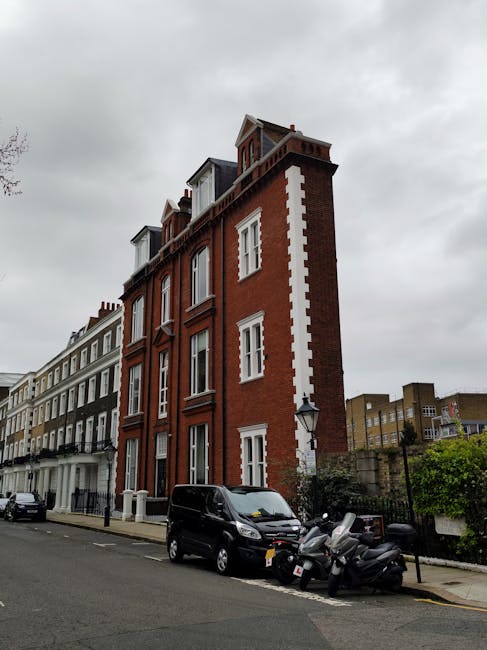




Francis Road Leyton house removals tips for narrow Victorian homes
Posted on 22/05/2026
If you are moving on or near Francis Road in Leyton, you already know the kind of challenge Victorian homes can bring. Narrow staircases, tight hallways, awkward turns, and those lovely but slightly unforgiving front steps can make a move feel more complicated than it should. The good news? With the right plan, a calm pace, and a few smart removals habits, a narrow-home move can go smoothly. This guide brings together practical Francis Road Leyton house removals tips for narrow Victorian homes so you can protect your furniture, reduce stress, and avoid the usual bottlenecks.
Whether you are moving a family house, a flat with tricky access, or just a couple of bulky items that seem to have a personal vendetta against Victorian staircases, the advice below is built for real life. We will cover preparation, packing, lifting, access planning, and the small details that often save the day. If you want a deeper look at local moving support, you can also explore house removals in Leyton, or take a look at the broader removal services available in Leyton.
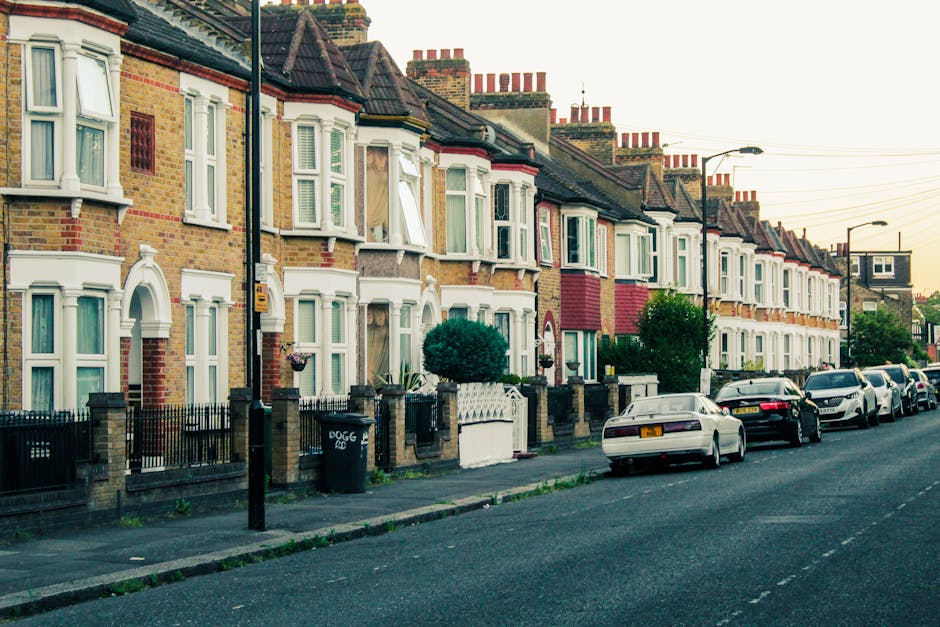
Why Francis Road Leyton house removals tips for narrow Victorian homes Matters
Francis Road and the surrounding Leyton streets have a lot of character. That character is part of the appeal. But Victorian properties often come with narrow access points, steep stairs, and room layouts that were not designed for modern sofas, American-style fridge freezers, or oversized beds. In practice, that means a move can go wrong very quickly if you treat it like a standard suburban house removal.
Why does this matter so much? Because the hardest part of a move is rarely the distance between addresses. It is usually the point where your item meets the building and says, "actually, I am not going through there." That is where planning saves time, money, and a fair bit of frustration. One missed measurement can turn a straightforward move into a heavy, slow, and slightly stressful puzzle.
Narrow Victorian homes also mean more risk of scuffed walls, damaged banisters, trapped corners, and strained backs if lifting is rushed. Truth be told, many moving problems do not happen because people are careless. They happen because they underestimate access. A tiny hallway can be the difference between a clean move and a long afternoon of awkward shuffling.
If your move includes bulky furniture or specialist items, it can also help to read related guidance such as moving your bed and mattress safely or keeping a house relocation calm and organised. These topics overlap more than people think.
How Francis Road Leyton house removals tips for narrow Victorian homes Works
The basic idea is simple: you reduce uncertainty before move day. Instead of hoping furniture will fit, you measure, plan routes, break down what you can, and sequence the move so the largest or most fragile items go first, not last. In a narrow Victorian house, this approach is less a nice extra and more a necessity.
Start by thinking of the property as a route map. Front gate, path, step height, front door width, hallway bends, stair width, landing space, and room exits all matter. The more detailed your plan, the fewer surprises you get when a sofa meets a tight turn or a wardrobe needs a tilt you had not expected.
Then look at the items themselves. Some pieces can be disassembled. Some can be wrapped and carried in one go. Others, like pianos or awkward antique furniture, may need specialist handling. For that kind of item, it is sensible to consider experienced help, such as piano removals in Leyton or the local team's furniture removals service.
Finally, the work usually becomes much smoother when the moving order is deliberate. Boxes first or last? Furniture in one section, soft items in another? Who carries what? These choices sound small, but on a staircase that barely allows one person to turn, they matter a lot.
Key Benefits and Practical Advantages
Good removals planning for narrow Victorian homes gives you more than convenience. It creates control. And when you are dealing with tight staircases and older layouts, control is everything.
- Less damage risk: Careful measuring and wrapping helps protect walls, floors, skirting boards, and the furniture itself.
- Faster move day: If access is planned properly, the team spends less time improvising.
- Reduced lifting strain: Better positioning, smaller loads, and the right equipment lower the chance of injury.
- Fewer last-minute surprises: You already know what needs dismantling, what needs extra clearance, and what may need specialist handling.
- Better packing decisions: You can prioritise the right boxes, protect fragile items properly, and avoid awkwardly packed van loads.
There is another benefit people often forget: peace of mind. A move through Francis Road or the surrounding streets can feel busy, especially if neighbours are parked close and there is not much spare space outside. Once you know the route, the sequence, and the problem items, the day feels manageable. Not easy, necessarily. But manageable.
If you are still narrowing down the type of move you need, the service pages for man and van support in Leyton and flat removals in Leyton are useful starting points, especially for smaller properties or tighter access.
Who This Is For and When It Makes Sense
This guide is for anyone moving from a Victorian terrace, converted property, or older townhouse in and around Francis Road. It is especially relevant if your home has any of the following:
- a narrow staircase or steep front steps
- tight hallway corners
- large furniture that has to be rotated or tilted
- fragile or awkwardly shaped items
- limited parking or a short loading window
- shared access with neighbours or a communal entrance
It also makes sense if you are moving with children, pets, or a tight schedule. The pressure of a school run, a work call, or a key handover at 3 pm has a way of turning an ordinary move into a mini chaos event. We have all seen that moment when people realise the mattress will not bend quite enough. Not ideal.
If your move involves decluttering first, a good next step is essential decluttering strategies. And if you are still deciding whether to pack yourself or get support, the guide on stress-free packing techniques is genuinely worth a look.
Step-by-Step Guidance
Here is a practical way to handle a narrow Victorian home move without making it harder than it needs to be.
- Measure every critical point. Check door widths, hall bends, stair width, landing space, and item dimensions. Do not guess. Tape measure in hand, proper notes on paper or phone.
- Identify the problem items early. Sofas, beds, wardrobes, mirrors, freezers, and desks are common troublemakers. Decide whether they need dismantling, extra wrapping, or a second person.
- Clear routes inside the house. Remove loose rugs, hallway clutter, shoes, bins, and anything else that turns a narrow passage into an obstacle course.
- Protect the building first. Use blankets, corner guards, and floor protection where needed. Victorian plaster and painted woodwork can mark very easily.
- Pack by weight and fragility. Heavy items in small boxes. Fragile items separately wrapped and clearly marked. Keep boxes fill-balanced so they do not collapse mid-carry.
- Disassemble what will clearly help. Bed frames, table legs, shelving units, and some wardrobes are often easier to move in parts. Keep screws and fittings bagged and labelled.
- Stage items in loading order. Put the largest and most difficult pieces nearest the exit, but leave a safe standing area so nobody is boxed in.
- Load the van with the route in mind. Heavy items go in first, then layered smaller loads, then soft items to stabilise gaps. If you are using a removal van in Leyton, ask about the best loading plan before moving day.
- Keep tools and essentials accessible. A box of tools, tape, charger, kettle, toilet roll, and snacks should not disappear under ten boxes and a chair leg.
A small but important detail: if there is any chance a piece will need to be turned on its side, check whether that is safe for the item itself. A fridge, for example, is not the same as a chest of drawers. Different objects, different rules. Obvious when you say it out loud, but easy to forget in the rush.
Expert Tips for Better Results
The best moving tips are often the least glamorous ones. They are also the ones that save your back and your walls.
- Use smaller loads on stairs. Large boxes are a false economy in narrow homes. They look efficient, but they slow everything down and increase strain.
- Wrap corners properly. The sharp edge of a wardrobe or table leg is usually what hits a wall first.
- Take the measure twice approach. It sounds basic, but a second check can save a major headache.
- Communicate clearly. One person should call the lifts and turns. Too many voices in a tight staircase creates hesitation.
- Use friction wisely. Furniture sliders, blankets, and lifting straps can help, but only when used on the right surface and with proper control.
- Think about timing. Early starts are usually easier because the street is quieter and everyone is less tired.
One practical observation from older homes: landings are often smaller than people remember. What looks like a generous space at 9 am can feel tiny once two wardrobes and a mattress arrive at the same time. So keep the route moving. Do not let the hallway become the storage area. That is where things get messy, very quickly.
If lifting technique is something you want to improve, the articles on lifting heavy items safely and the mechanics of kinetic lifting offer useful context. They are not just theory; they support better day-to-day moving habits.
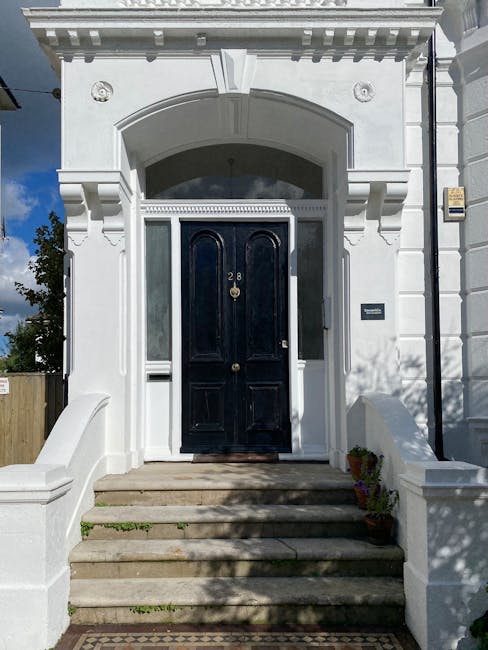
Common Mistakes to Avoid
Most problems in narrow-home removals are predictable. That is the good news. The bad news is that people still make them all the time.
- Ignoring access measurements: Measuring the furniture but not the hallway is a classic mistake.
- Overfilling boxes: Heavy boxes become unsafe, especially on stairs.
- Not checking parking or loading space: A van parked too far away adds needless carrying distance.
- Trying to keep everything assembled: Sometimes this works. Often it does not. Be realistic.
- Rushing the fragile items: Mirrors, glass, lamps, and framed pieces need proper wrapping and clear handling.
- Using the wrong people for heavy lifting: Two tired friends and a heavy wardrobe is not a strategy. It is a gamble.
Another common issue is forgetting about the exit plan for the old property while focusing entirely on the destination. In Victorian homes, the route out is often the most difficult part. If the item can get out safely, the rest of the move becomes much easier. If not, well, you are back to square one and a bit sweaty.
For big or awkward household items, it can help to read bed and mattress moving tips and the article on sofa care and storage. Sofas, in particular, have a way of becoming far less cooperative the moment you need them to move.
Tools, Resources and Recommendations
You do not need a warehouse of equipment to move well. But a few practical tools make a big difference in a narrow Victorian home.
| Tool or Resource | Why It Helps | Best Use Case |
|---|---|---|
| Tape measure | Checks whether furniture, stairs, and doors will work together | Before booking or dismantling items |
| Furniture blankets | Protects items and reduces scuffing on walls and doors | Wardrobes, tables, beds, sideboards |
| Strong packing tape | Keeps boxes secure and labels visible | General packing and fragile boxes |
| Furniture sliders | Helps move heavier items across suitable floors | Short internal repositioning before loading |
| Tool kit | Useful for dismantling and reassembling furniture | Beds, shelving, tables, and flat-pack units |
| Labelled bags for screws and fittings | Prevents missing parts and delays on arrival | Any dismantled item |
On the resource side, there are a few useful local pages worth bookmarking. If you need storage between moves, storage in Leyton may help. If you are still comparing service options, the main services overview gives a broader picture. And if you prefer a more general sense of the company before booking, the about us page is a sensible place to start.
For packing help, do not overlook packing and boxes in Leyton. Good packing materials are one of those boring-but-essential purchases that pay for themselves very quickly.
Law, Compliance, Standards, or Best Practice
House removals in the UK are not usually about complex legal rules for the customer, but there are still sensible standards and responsibilities to keep in mind. Best practice matters because it keeps people safe and reduces the chance of damage or disputes.
For example, any moving work should be carried out with attention to health and safety, especially where lifting, carrying, or using equipment is involved. A reputable removals provider should be able to talk clearly about their approach to safety. If you want to understand how a mover thinks about those responsibilities, the health and safety policy and insurance and safety information are useful reading.
It is also sensible to check terms, payment expectations, and any service conditions before booking. That does not mean being suspicious. It just means being organised. A bit like checking the weather before you carry a sofa through a wet front path. No one wants to discover the small print after the van has arrived.
Where access is unusually tight, it is good practice to disclose that early. If your Victorian home has steep stairs, limited parking, or a tricky layout, say so during quoting. That helps the mover prepare correctly and avoids unnecessary delay. If you need to clarify a quote or ask what is included, pricing and quotes and the contact page are the right places to continue the conversation.
Options, Methods, or Comparison Table
Not every narrow-home move needs the same level of support. The right option depends on your furniture, timing, and confidence level. Here is a practical comparison.
| Method | Best For | Pros | Trade-Offs |
|---|---|---|---|
| DIY move with friends | Small loads, few stairs, light furniture | Lower upfront cost, flexible timing | Higher physical effort, more risk if access is tight |
| Man and van support | Medium moves, local relocations, tighter budgets | Good balance of cost and help, easier loading | May still require self-packing and some preparation |
| Full house removals service | Larger homes, multiple rooms, bulky furniture | More hands, better coordination, less stress | Usually more expensive than a simpler move |
| Specialist item handling | Pianos, large antiques, very heavy or delicate pieces | Greater care and technical handling | Needs advance planning and may involve extra cost |
For many Francis Road moves, the sweet spot is somewhere between man-and-van support and a more complete removals service. It depends on how many awkward items you have, not just how many rooms are involved. A two-bedroom Victorian house with bulky furniture can be more complicated than a larger modern home. Funny how that works.
Case Study or Real-World Example
Imagine a family moving from a Victorian terrace off Francis Road to another property nearby in Leyton. The house has a narrow hallway, steep stairs, and a landing that barely allows two people to pass comfortably. The largest items are a sofa, a double bed, a chest of drawers, a dining table, and a freezer. Nothing outrageous, but enough to create trouble if rushed.
They start three days before move day by measuring the sofa, mattress, door frames, and stairs. They realise the bed frame should be dismantled and the sofa may need to be rotated carefully through the hallway. A few boxes are repacked so none are too heavy. They also move hallway clutter, rugs, and a coat stand out of the way. Small thing, but it helps.
On the day, they begin with the most awkward items while everyone still has energy. The mattress is wrapped and moved first, then the bed frame in parts, then the chest of drawers. The van is loaded with heavier items low and secure, with blankets filling the gaps. The result is not glamorous. There is no big dramatic moment. Just a steady, calm process that feels much less chaotic than expected.
That is often the real win with narrow Victorian homes. Not perfection. Just fewer surprises, fewer scratches, and a move that finishes with everyone still speaking kindly to each other.
Practical Checklist
Use this checklist the day before and on the morning of your move.
- Measure all large furniture and key access points
- Confirm parking and loading arrangements
- Label fragile, heavy, and priority boxes clearly
- Disassemble furniture where needed
- Keep screws, bolts, and fittings in labelled bags
- Protect floors, walls, doors, and corners
- Clear hallways, stairs, and entrances
- Prepare a first-night box with essentials
- Set aside tools, tape, and chargers
- Check whether any item needs specialist handling
- Keep water and snacks nearby, honestly it helps more than people admit
Expert summary: With narrow Victorian homes, the move is won before the van arrives. Measure early, strip the route back to basics, pack in manageable loads, and treat awkward furniture as a planning problem, not a lifting contest.
Conclusion
Francis Road Leyton house removals tips for narrow Victorian homes are really about one thing: respecting the shape of the building. Victorian homes are full of charm, but they ask for a more careful approach than modern properties. If you plan access properly, pack sensibly, and avoid overloading yourself or your helpers, the move becomes far more manageable.
The best advice is simple enough. Measure first. Dismantle where needed. Use proper protection. Keep the pathway clear. And if an item looks like a problem, deal with it early rather than hoping it will behave on the day. It probably won't. To be fair, furniture rarely does.
If you would like professional help with a narrow-home move in Leyton, speak with a local team that understands the area and the practical realities of older properties.
Get a free quote today and see how much you can save.
And if you want to continue planning, the next helpful step is often a quick conversation about access, timing, and the items that need special care. Small preparation now can make the whole move feel lighter later.