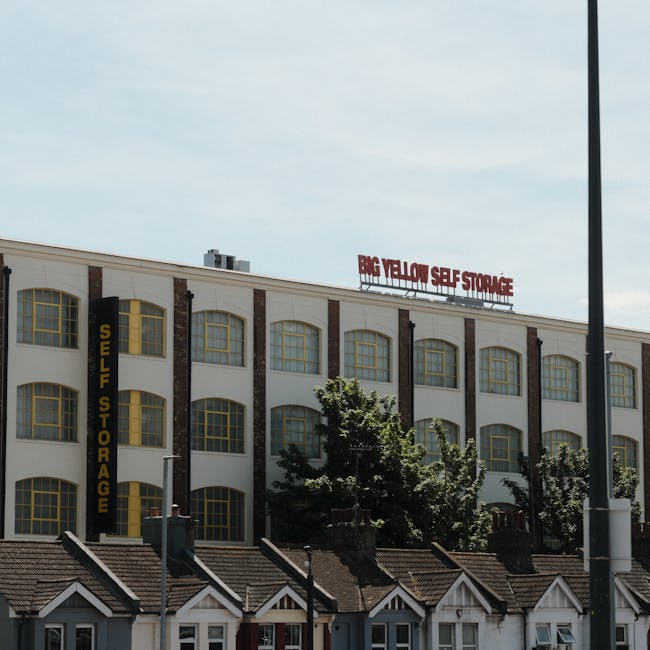




Leyton E10 removals guide for Leyton High Road flats
Posted on 28/04/2026
Leyton E10 Removals Guide for Leyton High Road Flats
Moving out of a flat on Leyton High Road is rarely just a case of loading boxes into a van. Narrow stairwells, shared entrances, parking pressure, lift access, awkward corners, and time-sensitive neighbours can turn a simple move into a logistics puzzle. This Leyton E10 removals guide for Leyton High Road flats is designed to help you plan a smoother move, avoid the common mistakes, and decide when it makes sense to bring in experienced help.
Whether you are leaving a studio above a parade of shops, shifting from a top-floor conversion, or coordinating a same-day handover, the details matter. In the sections below, you will find practical steps, local access advice, packing guidance, and a realistic look at what flat removals in Leyton usually involve. If you want a broader overview of what a professional move can include, the services overview is a useful place to start.

Why Leyton E10 removals guide for Leyton High Road flats Matters
Leyton High Road has the kind of housing mix that makes removals feel straightforward on paper and complicated in practice. Flats above retail units, converted terraces, purpose-built blocks, and older buildings can each create their own access issues. One building might have a narrow internal staircase; another might have parking restrictions right outside; a third could require careful timing to avoid blocking a busy pavement entrance.
That matters because removals are not only about lifting items. They are about sequencing, protecting the property, planning access, and keeping the moving day calm enough that you are not rushing decisions. Truth be told, the best moves often look boring from the outside. That is usually a good sign.
This is especially relevant if you are managing tenancy deadlines, working around school runs, or trying to move without disturbing neighbours in a shared building. A well-planned flat removal reduces the chance of damage to hallways, furniture, or your own back. It also helps you judge whether a flat removals Leyton service, a man and van option, or a full removals team is the right fit.
Practical takeaway: On Leyton High Road, the move is usually won or lost before the first box reaches the van. Access planning, timing, and packing discipline do most of the heavy lifting.
How Leyton E10 removals guide for Leyton High Road flats Works
At its simplest, a flat move follows five stages: assess the property, prepare the items, arrange access, load safely, and deliver everything in the right order. In a busy E10 setting, each stage needs a little more care than a typical suburban house move.
1. Assess the building and the route
Start with the practical realities. How many flights of stairs are involved? Is there a lift, and if so, is it large enough for wardrobes or mattresses? Where can a van stop without causing problems? Are there internal turns, low ceilings, or tight door frames? A quick walkthrough before moving day saves time later.
2. Decide what moves and what stays
It is much easier to move a well-edited flat than one packed with items you no longer need. Pre-move decluttering trims the load, lowers the risk of breakages, and can reduce the number of trips required. If you are already cutting down the load, the article on effective decluttering strategies is a helpful companion read.
3. Pack for fast handling
Flat removals reward compact, labelled, sturdy packing. Boxes that are too large become awkward on stairs, while overfilled boxes are more likely to split. Books go in small boxes. Soft items can fill gaps. Fragile items should be wrapped separately and marked clearly.
4. Load in the right order
Usually, the larger and heavier items are loaded first, with delicate or awkward items secured later. That might sound obvious, but in real moves there is often a temptation to put all the "easy" boxes in the van first. Then the sofa will not fit. Or the mattress ends up wedged against a cabinet. Sequence matters.
5. Unload with the new layout in mind
When you arrive, it helps to have a plan for where each major item goes. That prevents double-handling and avoids the classic problem of moving the same chest of drawers from the hallway to the bedroom to the spare room and then back again. A room-by-room destination list keeps the move efficient.
If you are still choosing between a van-only arrangement and a more hands-on service, the local man and van Leyton option can be a practical middle ground for smaller flats, while heavier or more complex jobs may suit a broader removals Leyton service.
Key Benefits and Practical Advantages
There are clear reasons people rely on structured removal planning for Leyton High Road flats rather than improvising on the day.
- Less stress: You avoid last-minute decisions about parking, packing, and route planning.
- Lower risk of damage: Good packing and careful handling protect both your furniture and the building.
- Better time control: A move that runs to schedule is usually cheaper in practical terms, even if the upfront service feels more organised.
- Easier access management: Shared entrances and stairwells stay clearer when items are moved in a planned sequence.
- More control over fragile items: Mirrors, TVs, glass tables, and electronics need different handling from ordinary boxes.
- Less physical strain: This is the obvious one, but it should not be understated. Flat moves can be hard on knees, shoulders, and grip strength.
For many residents, the biggest benefit is simply predictability. If you know what is happening, when it is happening, and who is carrying what, the move feels less like a scramble. That is especially valuable when you are trying to hand over keys, meet a landlord or letting agent, and keep a chain of events moving on time.
Using the right materials helps too. Quality cartons, tape, mattress covers, and protective wrapping are part of the equation. If you want to organise supplies in advance, take a look at packing and boxes Leyton for a service that supports the preparation side of moving.
Who This Is For and When It Makes Sense
This guide is mainly for people moving into or out of flats on Leyton High Road, but it is useful for a much wider group than first-time movers.
- Tenants ending a lease: You need timing, speed, and a reliable handover.
- First-time renters: Flat moves can feel deceptively simple until you face your first staircase or parking issue.
- Students: Many student moves involve short notice, limited budgets, and fewer possessions, which still need smart handling.
- Couples downsizing: Fewer items does not always mean an easier move if the furniture is bulky.
- Remote workers: Desks, monitors, and tech equipment need extra care and fast reassembly.
- Anyone with limited mobility or time: If stairs, work hours, or childcare make the process harder, a tailored service can make a huge difference.
The guide also makes sense if you are handling special items such as a piano, a large sofa, or a deep freezer. Those objects tend to complicate flat removals far more than the number of boxes suggests. For example, if your move includes awkward furniture, the dedicated furniture removals Leyton page can help you think through the more physical side of the job.
And if you are moving on a tight deadline, same-day support may be the difference between a clean exit and a messy one. That is where a service such as same-day removals Leyton can be worth considering.
Step-by-Step Guidance
Here is a practical, real-world approach to organising a Leyton High Road flat move without making it harder than it needs to be.
- Walk the route from flat to van. Note stairs, narrow turns, door widths, railings, lifts, and any obstacles in the corridor or outside the building.
- Measure large items. Check sofas, beds, wardrobes, desks, and appliances. If an item is too large for the route, it may need partial dismantling.
- Book the moving date early. Flat moves are often time-sensitive, especially at month-end and on Fridays.
- Reserve parking or identify a safe loading point. Do not leave this to chance if your street is busy.
- Declutter before you pack. Reduce duplicates, outdated clothes, broken items, and anything that no longer earns its place.
- Pack by room and label clearly. Keep labels simple: kitchen, bedroom, bathroom, office, fragile.
- Prepare a essentials bag. Put chargers, keys, medication, documents, snacks, toilet paper, and basic tools somewhere easy to reach.
- Protect building surfaces. Doorways, bannisters, and corners are vulnerable on moving day.
- Load strategically. Heavy items first, then stacked boxes, then fragile items secured last.
- Check the property before leaving. Open cupboards, check wardrobes, confirm meter readings if needed, and do a final sweep of every room.
A good small detail to remember: keep bolts, screws, and fittings in labelled bags taped to the relevant furniture or grouped in one clearly marked container. It sounds tiny, but it saves a ridiculous amount of time later. One loose bag of screws can turn a calm evening into a scavenger hunt.
If you are also preparing your home for departure, this cleaning before moving guide can help you leave the flat in better condition and avoid avoidable disputes at handover.
Expert Tips for Better Results
Experienced movers tend to focus on small decisions that prevent larger problems. That is the real difference between a move that just gets done and one that feels controlled.
Use smaller boxes than you think you need
In flat removals, manageable weight beats box size every time. A box you can grip properly is more useful than a giant carton that becomes dangerous halfway down the stairs.
Keep high-value and personal items separate
Passports, jewellery, contracts, laptops, and medication should travel with you, not in the main load. That reduces stress and removes the risk of "Where did we put that?" at the worst possible moment.
Take photos before dismantling furniture
A quick phone photo of a bed frame, table, or shelving unit can save time during reassembly. It is especially useful if the item was assembled a long time ago and the memory has gone a little fuzzy.
Wrap awkward edges and corners
Flat entrances are often unforgiving. A table corner, mirror edge, or bed frame rail can catch on a bannister or wall in seconds. Use moving blankets, bubble wrap, or cardboard protection where appropriate.
Plan around busy building times
Shared flats and managed blocks often have peak periods: morning departures, lunchtime parcel deliveries, or evening returns. If possible, avoid those windows. The move will feel smoother and less intrusive.
Use specialist help for delicate or heavy items
Pianos, large mirrors, American-style freezers, and oversized sofas usually deserve experienced handling. If a move includes a prized instrument, the dedicated piano removals Leyton service is a more sensible choice than improvisation.
For more lifting context and safer handling habits, the guide on kinetic lifting is worth reading. If you are working with a smaller number of items and want practical help rather than a full-scale removal team, man with a van Leyton can be a flexible fit.
Common Mistakes to Avoid
Most moving problems are preventable. They usually come from rushing, underestimating the job, or assuming the building will be more forgiving than it is.
- Leaving packing until the last night: That almost always leads to poor labelling, mixed-up boxes, and unnecessary panic.
- Ignoring access details: A van cannot simply appear where parking is already tight or restricted.
- Overloading boxes: A heavy box is more likely to split, fall, or strain someone carrying it.
- Forgetting to measure furniture: If a sofa will not make the turn on the stair landing, you want to know before the moving crew arrives.
- Not protecting shared areas: Hallways and stairwells can be damaged quickly if corners and edges are left exposed.
- Mixing essentials with bulk items: Your first night box should not be buried under bedding and kitchenware.
- Assuming a small move needs no planning: A small flat can still be awkward if access is difficult or timing is tight.
There is also a subtle mistake people make: they treat disassembly as optional until the final hour. If a wardrobe, bed frame, or desk needs to be broken down, do it in advance. Waiting until the hall is full and the van is idling outside is not ideal. To put it kindly.
Tools, Resources and Recommendations
A good flat move depends on a relatively small set of tools, but the quality and timing of those tools matter.
- Sturdy cardboard boxes: Use a mix of small, medium, and wardrobe cartons if needed.
- Packing tape and dispenser: Cheap tape fails at the worst moments.
- Bubble wrap or paper wrap: Good for glass, ceramics, frames, and electronics.
- Blankets and covers: Useful for sofas, tables, and mattresses.
- Labels and markers: Clear labels save time at both ends of the move.
- Trolley or sack truck: Helpful for heavier loads, where building access allows.
- Basic tool kit: Screwdrivers, Allen keys, tape measure, and zip bags for fittings.
For items that need temporary holding space, especially if completion dates do not line up neatly, storage can be a practical bridge. A service such as storage Leyton can help if you need to free up the flat before your new place is fully ready.
If you want to reduce the risk of damage to furniture in storage or transit, the sofa storage advice from the broader moving blog on protecting sofas during storage and the freezer guidance on idle freezer storage are both practical references.
Law, Compliance, Standards, or Best Practice
Flat removals in Leyton are shaped more by good practice than by complicated rules, but compliance still matters. If you are moving from a managed building, check any instructions from your landlord, managing agent, or freeholder about lift booking, loading bays, protective coverings, or time windows. Those requirements are often part of the building's own operational rules rather than wider law.
You should also think about health and safety in a common-sense way. Safe lifting, clear walkways, suitable footwear, and sensible load sizes are not optional if you want to reduce the chance of injury. Moving companies should have their own health and safety procedures, insurance arrangements, and clear complaint handling processes. It is reasonable to ask about those before booking.
For peace of mind, it helps to review the company's public information on health and safety policy, insurance and safety, and terms and conditions. If you care about how your data is used during booking, the privacy policy and payment and security pages are also worth a quick read.
And if sustainability matters to you, ask how packing waste and old items are handled. Many movers can advise on reuse, recycling, and responsible disposal. That is especially useful for end-of-tenancy clear-outs, where the contents of a flat often include a surprising number of half-useful things nobody wants to admit they own.
Options, Methods, or Comparison Table
Different moves need different levels of support. The right choice depends on volume, access, time pressure, and how much physical lifting is involved.
| Option | Best for | Strengths | Limitations |
|---|---|---|---|
| Van-only help | Very small flats or light loads | Cost-efficient, flexible, simple for easy access | You handle most packing and lifting |
| Man and van | Studios, one-bed flats, mixed loads | Good balance of support and affordability | May be less suitable for large or highly fragile moves |
| Full flat removals | Busy schedules, larger loads, tricky access | More structured, less physical strain, better for complex jobs | Usually costs more than a minimal service |
| Specialist item transport | Pianos, heavy furniture, delicate appliances | Reduced handling risk, expert loading methods | Best booked as part of a tailored plan |
For many Leyton High Road flats, the best route is somewhere between a full removal team and a simple van hire. If your furniture is bulky but the overall move is not huge, a local removal service with appropriate vehicle size can be the sweet spot. If you are moving an office setup or home workspace, the dedicated office removals Leyton page is also relevant.
Case Study or Real-World Example
Consider a realistic Leyton High Road scenario: a tenant is leaving a second-floor flat above a shop and moving to a one-bedroom apartment nearby. The inventory is modest, but the awkward pieces are the problem: a bed frame, a two-seater sofa, a desk, a TV, several boxes of books, and a freezer stored in a tight kitchen.
On paper, the move looks easy. In practice, the stairs are narrow, parking is limited, and the building entrance is shared. The tenant starts by measuring the sofa and bed frame, then dismantles the bed the day before. Boxes are packed by room, with books in smaller cartons and fragile items wrapped separately. A bag of fittings is taped to the relevant furniture panels.
On moving day, the van is parked as close as safely possible, the hallway is kept clear, and the heaviest items are loaded first. The freezer is handled last, secured upright, and unloaded first at the new property so it can be placed and left to settle appropriately. The move finishes on time because the big risks were handled early, not because the lift was especially lucky.
That is the lesson here: most "difficult" flat moves are only difficult when the preparation is weak. With a little planning, even a busy E10 move can feel controlled and predictable.
Practical Checklist
Use this simple checklist in the final 48 hours before moving day.
- Confirm moving time, address, and access details
- Check parking or loading arrangements near the flat
- Measure large furniture and confirm what needs dismantling
- Finish packing non-essential items
- Label every box clearly by room and priority
- Prepare fragile-item protection and covers
- Set aside documents, keys, chargers, medication, and valuables
- Remove items from cupboards, wardrobes, and under beds
- Defrost and prepare any appliance that needs it
- Protect floors, corners, and bannisters if required
- Keep refreshments and a phone charger accessible
- Do a final walk-through before locking up
If you are a student or moving out with a lighter load, a service like student removals Leyton may match the size and timing of your move better than a larger, more traditional package.
Conclusion
A Leyton High Road flat move does not need to become a stressful all-day ordeal. When you plan access properly, pack with care, and choose the right level of help for the job, the whole process becomes more manageable. That is really the heart of this Leyton E10 removals guide for Leyton High Road flats: good preparation saves time, money, and energy, and it protects the things you care about most.
Whether you are moving a compact studio or a packed one-bedroom flat, the same principles apply. Reduce the load, label clearly, think through the route, and do not leave the awkward items until the last minute. If your move includes heavy furniture, delicate belongings, or a tight deadline, professional support can take a lot of pressure off the day.
Get a free quote today and see how much you can save.
If you would like to speak with a local team about your move, the best next step is to visit the contact page and outline your flat size, access details, and moving date. A clear brief usually leads to a far better moving-day plan.
For those comparing providers and wanting to understand the team behind the service, the about us page gives a useful sense of approach and standards. And if you are still weighing options, the broader removal services Leyton page can help you match the service to the move rather than the other way around.