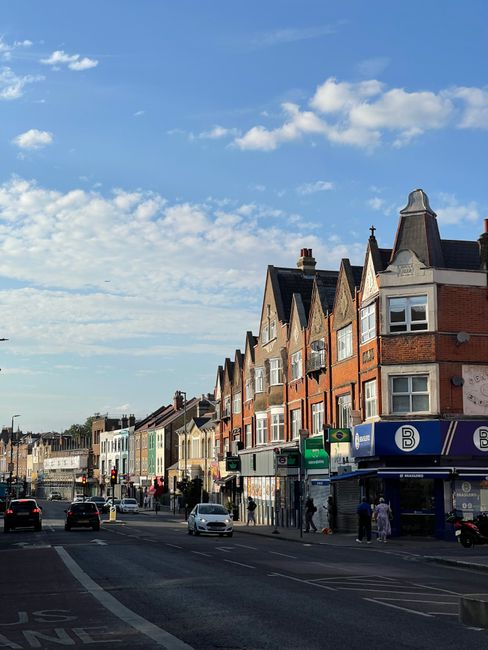
Brisbane Road Leyton removals guide for match day moves
If you are planning a move near Brisbane Road in Leyton, match day timing can turn a simple removal into a bit of a juggling act. Streets feel busier, loading space disappears fast, and one wrong arrival time can leave you circling while the crowd builds. This Brisbane Road Leyton removals guide for match day moves is designed to help you plan sensibly, avoid the common snags, and keep the whole thing calm from first box to final set-down. Truth be told, the best move near a stadium is usually the one that feels almost boring on the day.
In this guide, you will find practical advice on access planning, parking, timing, packing, vehicle choice, and what to do if your move falls on or near a football fixture. You will also see where a professional man and van setup can be useful, when a larger team makes more sense, and how to judge whether you need home moves, house removals, or something more flexible. A little local awareness goes a long way here.
Why Brisbane Road Leyton removals guide for match day moves Matters
Brisbane Road is not just another London street. On match days, the area around Leyton Orient's stadium can change character quickly. A quiet road in the morning may become a busy, stop-start environment with more pedestrians, tighter kerbside space, and vehicles competing for the same patch of road. For removals, that matters a lot.
The core issue is not drama, it is momentum. A removal van works best when it can pull in, load efficiently, and leave without delay. When the area is busier than usual, those simple steps can take longer, and each delay compounds the next one. You might find access easier at one end of the route than the other. You might also notice that a move taking place during kick-off build-up feels very different from one scheduled after full-time.
This is why planning around the match calendar is so valuable. It helps you protect your time, reduce stress, and avoid last-minute decisions that can make the day feel messy. For local residents, landlords, small businesses, and anyone shifting furniture in or out of the Leyton area, it is a practical issue, not a theoretical one.
Expert summary: if your move is near Brisbane Road on a match day, the biggest risks are not usually the boxes themselves. They are timing, access, parking, and congestion. Build the move around those four things, and everything else becomes easier.
How Brisbane Road Leyton removals guide for match day moves Works
The basic idea is simple: you plan the move around the likely traffic pattern rather than assuming the road will behave like an ordinary weekday. That means checking whether the date falls on a match day, identifying the likely busiest windows, and making the load-in and load-out as short and efficient as possible.
In practice, this usually means choosing a vehicle that suits the job, booking enough help for the number of items, and preparing the property so the crew can get in and out quickly. If the move is small, a flexible man with van arrangement may be ideal. If you are moving a full household, you may need a more complete removal services approach, with packing support and better scheduling.
It also means being realistic about the local environment. Around stadiums, there can be restricted waiting space, more foot traffic, occasional road closures, and a general slowdown before and after the event. Even if your exact street is not closed, nearby activity can still affect the route. Let's face it, a "quick" move can stop being quick very fast if the van cannot stop where you expected.
Good match day moving works because it reduces friction. The crew arrives prepared, items are grouped and ready, and everyone knows what happens if access is blocked for a few minutes. That is the difference between a smooth local move and a frustrating one.
Key Benefits and Practical Advantages
There are some obvious benefits to planning a removal around match day conditions, but a few less obvious ones too.
- Less waiting time: if the van arrives outside the busiest period, loading can begin immediately.
- Lower risk of access problems: you can plan around known pinch points rather than discovering them on the day.
- Better vehicle choice: when the route is tighter, a smaller or more manoeuvrable vehicle may be easier to position.
- Less stress for everyone involved: children, neighbours, landlords, and building managers all tend to prefer a cleaner timetable.
- Reduced chance of damage: rushed moves often lead to bumps, dropped items, or poor handling in stairwells and entrances.
There is also a quieter benefit: better communication. When a move is clearly planned around a local event, everyone involved tends to be more alert and more cooperative. You will notice this in the little things, like someone having the keys ready earlier, or the mover asking one sensible question instead of five rushed ones.
For some people, the main advantage is just peace of mind. That counts. Moving day is already full of small decisions. Taking match day disruption off the list is a genuine win.
Who This Is For and When It Makes Sense
This guide is useful for anyone moving near Brisbane Road, but especially for people whose move lands close to a fixture, training day, or other event that changes local traffic patterns. That includes tenants leaving flats, homeowners shifting larger loads, landlords arranging changeovers, and small firms relocating items from nearby offices or storage spaces.
It can also help if you are moving from a property where access is awkward anyway. For example, a first-floor flat with narrow stairs and no lift is not the kind of job you want to pair with extra congestion outside. If the move is time-sensitive, you may want a crew that offers packing and unpacking services so the internal part of the move is handled efficiently while the outside world does its own thing.
If your move is tiny, say a few boxes, a bed frame, and a couple of bags, then a lightweight arrangement may be enough. If you are moving a family home, or a mix of household and office items, it may be smarter to use a fuller service and let a professional team manage the timing. Different jobs, different tools. Common sense, really.
Step-by-Step Guidance
Here is the practical version. No fluff.
- Check the date against the match schedule. If the move falls on a match day, identify when the area is likely to get busy. You do not need to obsess over it, but you do need a sense of the pressure points.
- Decide what type of move you actually have. A single-room move, student move, or furniture collection may fit a furniture pick up style booking. A bigger home move may need a fuller removal plan.
- Book the right vehicle size. A van that is too small creates extra trips. One that is too large can be awkward in tight streets. Somewhere in the middle is often best.
- Pack with the street layout in mind. Keep the most important items together. Place the first-load boxes near the exit. Use labels that make sense. No mystery boxes, please.
- Prepare parking and access in advance. If the front door, loading point, or parking bay is awkward, plan for it. Leave room for manoeuvre and make sure keys, codes, and contacts are ready.
- Choose a sensible arrival window. Early morning often works better than late afternoon on busy days, but every move is different. The point is to avoid the obvious rush periods.
- Protect fragile items properly. Match day delays can mean furniture spends longer in the van. Good wrapping and padding become more important, not less.
- Keep a backup plan. If the nearest stopping point is blocked, know where the second-best one is. That small decision can save a lot of time.
A move near a stadium often feels smoother when one person is clearly in charge of decisions. Even if that is just you with a mug of tea and a clipboard, it helps. Someone needs to say yes, no, or "put that there for now."
Expert Tips for Better Results
Small adjustments can make a big difference around Brisbane Road. In our experience, these are the details that matter most.
Start earlier than you think you need to. People often underestimate how long it takes to move boxes from a flat to a vehicle, especially if stairs or shared entrances are involved. Start ten or fifteen minutes earlier than your instinct says. That buffer is gold.
Keep walkways clear inside the property. A tight hallway or cluttered living room slows everything down. Put shoes, plant pots, loose cables, and random bits out of the way before the van arrives. It sounds basic, but it saves arguments and bruised shins.
Use a single staging area. Rather than scattering boxes across the property, create one zone for loaded items and one for items still being checked. This is especially useful if the weather turns damp and the pavement outside is a bit greasy at 8 a.m.
Tell neighbours or building managers if needed. Not always essential, but often helpful. If you know a large item needs to come down steps or through a narrow shared entrance, a little courtesy can prevent a lot of friction.
Use the move as a chance to reduce clutter. If you have items you do not want to carry again, consider a separate disposal or recycling and sustainability approach rather than stuffing the van with stuff you do not actually need.
And yes, it is sometimes worth paying for one extra pair of hands. Everyone likes to save money, but the wrong kind of saving can cost more in time, strain, or broken glass. Not ideal, obviously.
Common Mistakes to Avoid
The biggest errors tend to be easy to predict. That is the annoying part.
- Ignoring match day timing: assuming the area will be normal is the fastest route to delay.
- Booking too late: last-minute removals are harder to organise and often less flexible.
- Choosing the wrong vehicle: too small means extra trips; too large means awkward access.
- Leaving packing until the morning of the move: this always feels like a shortcut, but it usually becomes chaos.
- Not planning for blocked loading space: if your preferred stopping point is unavailable, the whole schedule shifts.
- Forgetting to measure larger items: sofas and wardrobes have a habit of being slightly more stubborn than remembered.
- Underestimating stairwells and lifts: tight access adds real time to the job.
One more common mistake: thinking the moving team will magically solve a bad plan. Good movers can adapt, but they cannot bend traffic or create parking space out of thin air. To be fair, if they could, they would probably charge extra.
Tools, Resources and Recommendations
You do not need a complicated toolkit for a local removal, but a few basic things will make life easier.
- Strong boxes and labelled bags: keep essentials clear and easy to grab.
- Furniture blankets and wrap: useful for doors, corners, mirrors, and wooden surfaces.
- Marker pens and tape: labels save time during unloading, especially if the new home is busy.
- Protective gloves: handy for awkward lifts, wet weather, or rough packaging.
- Measuring tape: useful for doors, stair turns, and larger furniture.
- Phone battery or charger: because the one time you need directions or a quick update, your phone decides to go grey.
For service planning, it can help to review the company's approach to trust and safety before you book. Pages such as insurance and safety, health and safety policy, and terms and conditions are worth reading if you want a clearer picture of expectations and responsibilities.
If you are comparing providers, also look at pricing and quotes so you can understand what is included and what might be charged separately. Transparent pricing matters more than flashy promises. It just does.
Law, Compliance, Standards, or Best Practice
For a move around a football stadium or busy London street, you do not need to become a legal expert, but you should respect a few sensible standards and common UK practice. Parking, loading, and road use should always be handled carefully, and you should not assume that a van can stop anywhere just because the move feels urgent.
Best practice usually means checking access arrangements, avoiding obstruction, and keeping footpaths clear. If you are moving in a residential block, lease rules or building management requirements may also apply. If there are shared entrances, lifts, or time windows for removals, those practical rules matter just as much as the road outside.
On the service side, a professional moving company should work with clear communication, safe handling, and appropriate insurance. It is reasonable to ask how belongings are protected, what happens if access changes, and whether the team is equipped for awkward entries or heavy lifting. That is not being difficult. That is being sensible.
If your move involves business premises, stock, or office equipment, then a more structured approach may be needed, such as office removals or broader commercial moves. The standards are different when computers, files, or business downtime are involved.
Options, Methods, or Comparison Table
Different moving methods suit different match day situations. Here is a straightforward comparison to help you decide.
| Option | Best for | Strengths | Watch-outs |
|---|---|---|---|
| Man and van | Small to medium local moves | Flexible, quick, often easier in tighter streets | May need more than one trip if the load is large |
| Full removal service | Households with more furniture or boxes | More help, more structure, better for larger jobs | Requires more planning and usually a longer booking window |
| Van-only furniture move | Single items or a few bulky pieces | Simple and efficient | Less suitable if you underestimate volume |
| Office relocation team | Business or mixed-use moves | Better coordination, reduced downtime | Needs careful scheduling around access and operations |
If you are not sure where you fit, start with the size of the load, the type of property, and how sensitive the timing is. That usually tells you whether you need a lightweight van service, a standard removal crew, or a more complete move support package.
Case Study or Real-World Example
Picture this: a two-bed flat off a busy Leyton road, move day booked for a Saturday afternoon, and a match kicking off not long after lunchtime. The family had packed the obvious boxes, but the sofa, dining table, and several awkward bags were still waiting by the door when the van arrived. The loading point they expected to use was already busy, and a second vehicle had parked too close to the kerb.
The fix was not complicated, but it did require calm. The team switched to a nearby alternative stopping point, split the load into two clear stages, and moved the most fragile items first. One person stayed inside to keep the route clear while another handled keys and communication. It was not a perfect day, because real life rarely is, but it stayed controlled.
The interesting part? The family said the change that helped most was not extra manpower, but earlier packing and clearer labelling. The boxes marked "kitchen first" and "bedroom essentials" saved time when the new place was being unloaded. A small thing. A very small thing. Yet that small thing meant less searching, less noise, and less standing around while everyone wondered where the kettle had gone.
That is the sort of lesson match day moves teach quickly. Efficiency is not about rushing. It is about removing the unnecessary friction before it starts.
Practical Checklist
Use this checklist before move day. It keeps the day sane.
- Confirm whether the move date clashes with a Brisbane Road fixture
- Agree your arrival window and backup timing
- Choose the right vehicle size for the load
- Measure large furniture and awkward access points
- Label boxes by room and priority
- Keep essentials separate for easy access
- Clear hallways, stairs, and entry routes
- Plan where the van can stop if the usual spot is blocked
- Share access codes, keys, and contact numbers early
- Protect fragile items and wrap furniture properly
- Check insurance, safety, and booking terms
- Keep water, snacks, and a charger handy for the moving day itself
If you want a smoother booking process, it is also sensible to look at the company's about us page so you understand who you are dealing with and how they present themselves. A little trust goes a long way when your furniture is in someone else's van.
Conclusion
Brisbane Road and match day logistics do not need to derail your removal. With the right timing, the right vehicle, and a realistic plan for access, a local move can still feel tidy and manageable. The biggest mistake is assuming the area will behave as if nothing is happening. It usually does the opposite, at least for a few hours.
So plan early, keep your load simple, and allow for the local rhythm of the day. If you treat the move as a timing problem first and a lifting problem second, you are already ahead of most people. That is the whole point of this guide: less panic, more control, and a move that gets done without the day taking over.
Get a free quote today and see how much you can save.
Frequently Asked Questions
Can I move house near Brisbane Road on a match day?
Yes, but it is usually better to plan carefully. A move can still work on a match day if you avoid the busiest windows, prepare access in advance, and allow extra time for loading and unloading.
What time of day is best for a match day removal in Leyton?
Earlier in the day is often easier, especially before spectators and traffic start building. That said, the best time depends on the fixture, the property access, and the size of the move.
Is a man and van enough for a small flat move near Brisbane Road?
Often yes, especially if you are moving a modest amount of furniture and boxes. A man and van service can be a practical choice for smaller local moves where flexibility matters.
What if parking near my property is blocked on the day?
Have a backup stopping point in mind. It helps to know where the van can safely pause if the nearest space is taken. That small bit of planning can prevent a lot of delay.
Should I book packing help as well?
If your move is larger, time-sensitive, or involves fragile items, packing support can make a big difference. It is especially useful when the day already has extra pressure from local congestion.
How much extra time should I allow on match days?
There is no single rule, but adding a sensible buffer is wise. Even a modest delay can throw off the whole schedule if you have keys to return or a building check-out time to meet.
Are office moves near Brisbane Road handled differently?
Yes. Office moves usually need tighter coordination because equipment, documents, and business downtime come into play. In many cases, office removals are planned more like a project than a simple household move.
What should I do with items I do not want to take?
Separate them early and decide whether they can be reused, donated, or handled through a recycling-minded approach. It is often better to deal with unwanted items before the van arrives than to make last-minute choices.
How do I know if I need a larger removal team?
If you have bulky furniture, multiple rooms, or tight deadlines, a more complete removal service may be the better fit. Think about volume, access, and how much lifting is involved, not just the distance.
Is it worth checking company policies before I book?
Absolutely. A good booking should be supported by clear information on safety, insurance, pricing, and terms. Those details help you compare providers properly and avoid surprises later.
Can match day traffic affect the unloading at my new place too?
Yes, especially if the destination is also in a busy part of Leyton or a nearby main road. Always think about both ends of the move. The route matters, but the destination access matters just as much.
What is the simplest way to reduce stress on the day?
Pack early, label clearly, and choose a realistic booking time. That combination does more for your nerves than any last-minute dash ever will. A calm move usually starts before the van turns up.
If you need a clearer view of how a provider works, you can also look at removals near me style services and compare them with your own timeline, load size, and access needs. The right choice is the one that fits your day, not someone else's ideal version of it.